
Electrical Estimating and Takeoff Services for Electrical Contractors
Device, fixture, panel, conduit and wire takeoffs with labor units for electrical subcontractors.
Get a Free Quote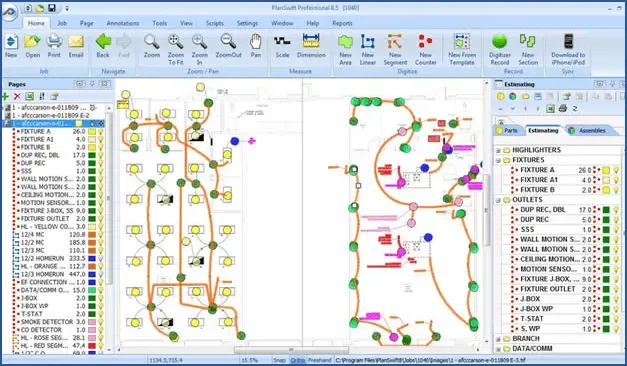
Electrical Estimating Services is counting and pricing the devices, fixtures, equipment, conduit, wire and fittings shown on electrical drawings so an electrical contractor can bid accurately.
We count by symbol and circuit, measure conduit and wire runs from plans and risers, and price with labor units by installation type, including lighting, power, fire alarm and low-voltage scopes where shown.
What we measure and price
| Item | Unit | Notes |
|---|---|---|
| Lighting fixtures and controls | EA | By type on the fixture schedule; controls and sensors |
| Receptacles, switches and devices | EA | Per device type and mounting |
| Panels, switchgear and transformers | EA | Per panel schedule and one-line diagram |
| Conduit and fittings | LF / EA | By size and type; fittings and supports |
| Wire and cable | LF / MLF | By gauge and run; pull factors |
| Fire alarm and low voltage | EA / LF | Devices, cable and terminations |
| Testing and commissioning | LS | Per specification |
Specifications and CSI MasterFormat references
Electrical scopes sit in Division 26 (for example 26 05 00 Common Work Results, 26 24 16 Panelboards, 26 51 00 Interior Lighting) and related Division 27 communications and Division 28 electronic safety and security sections. We read the specification section alongside the drawings so that products, performance requirements, testing, warranties and allowances are priced the way the solicitation intends — not just what appears on the plan sheets.
Pre-bid review: what we check before pricing
- Scope definition: what is in your trade and what belongs to others, with inclusions and exclusions written down.
- Addenda and bulletins: every addendum is logged and its effect on quantities, alternates and unit prices is carried into the estimate.
- Requests for information (RFIs): conflicts between drawings and specifications are listed so they can be submitted before the question deadline.
- Alternates, allowances and unit prices: priced separately and tied to the bid form so the proposal is complete and responsive.
- Bid form and qualifications: required line items, bond and insurance requirements, prevailing-wage or Davis-Bacon language and any bid-day instructions are flagged.
Pricing considerations that move the number
- Ceiling heights and access change installation time.
- Copper and equipment pricing can change between bid and buyout.
- Lighting packages and long-lead gear affect schedule and cost.
- Coordination with other trades may add rework allowances.
Submittals and shop drawings for this scope
Electrical submittals typically include equipment data, lighting cutsheets and coordination drawings.
- Lighting fixture cutsheets and control sequences
- Panelboard, switchgear and transformer data and short-circuit coordination
- Conduit routing and equipment layout coordination drawings
- Fire alarm and low-voltage riser diagrams where in scope
We prepare shop drawings and submittal packages for many of these scopes, and we can resubmit after architect or engineer comments.
Common estimating mistakes we help you avoid
- Pricing fixtures from the plan symbol count without checking the fixture schedule and alternates
- Missing temporary power, testing, labeling and as-built requirements
- Carrying old copper or gear prices into the bid
- Overlooking utility, metering and coordination costs
What you get
- Marked-up plans showing every count and measurement
- Quantity takeoff organized by system, floor and panel
- Material, labor, equipment and subcontract pricing (or takeoff only)
- Clear assumptions, inclusions, exclusions, alternates and unit prices
- Excel and PDF files ready to drop into your bid or post-bid scope sheets
- Support on addenda, clarifications and bid leveling after delivery
Who this is for
Electrical subcontractors, solar and low-voltage contractors, and general contractors leveling electrical bids.
How it works
- Upload your plans, specifications and addenda, or paste a plan-room link, with your bid due date.
- We confirm scope, price and turnaround before any work starts.
- Our estimators complete the takeoff and pricing and a second estimator reviews it.
- You receive the files and we stay available for addenda, RFIs and post-bid clarifications.
Software and standards
We take off in digital takeoff tools such as PlanSwift and Bluebeam Revu, price with RSMeans-style cost data and your own unit prices where you provide them, schedule in Oracle Primavera P6 or Microsoft Project when needed, and organize quantities by CSI MasterFormat (Division 26). Estimating is done remotely from your drawings, so we support public and private projects in every state.
Why contractors outsource electrical estimating
Bid season compresses the time estimators have for each solicitation. Outsourcing the electrical takeoff and pricing lets your team cover more bids, respond to addenda quickly and keep an independent check on subcontractor and supplier numbers. You keep control of the bid: you review the quantities, adjust unit costs and decide the final price.
Public, private and prevailing-wage projects
We price this scope on public solicitations (IFB, ITB and RFP responses) and private open-shop projects alike. When the solicitation includes a prevailing-wage or Davis-Bacon wage determination, we apply the stated rates and fringe benefits to the labor in each line item and allow for certified payroll administration. See public bid estimating and our prevailing wage guide.
Related services and pages
Combine this scope with quantity takeoff, bid leveling and proposal support, pre-bid and post-bid support, shop drawings and CPM scheduling. Browse every CSI division page, read the CSI MasterFormat guide or check the bidding glossary.
Frequently asked questions
Do you price lighting packages?
+
Yes, from the fixture schedule. You can also send supplier quotes and we will carry them into the estimate.
Do you cover low voltage and fire alarm?
+
Where shown on the drawings, yes. Tell us which systems are in your scope.
Bid Sharp at a glance: 3 steps, 50 states
Bid Sharp prepares construction estimates, takeoffs, shop drawings, structural and permit drawings and schedules for contractors and homeowners in all 50 states, on public and private projects. Typical turnaround is about 48 hours; the turnaround and a firm price are confirmed before any work starts.
- 1. Upload plans. Send PDF, DWG or a plan-room link with your bid due date.
- 2. Get a firm quote. Scope, price and turnaround in writing, with no obligation.
- 3. Receive deliverables. Excel and PDF files, plus DWG for drawings, checked by 2 team members.
Standards and official sources
Rules, wage rates, codes and procurement procedures change and differ by agency. Confirm the requirements that apply to your project with these primary sources and with the solicitation itself.
Keep exploring
Last updated by the Bid Sharp estimating team.